
Illinois Comparative Negligence Car Accident Rules: How Chicago’s 51% Bar Works
Under 735 ILCS 5/2-1116, an Illinois comparative negligence car accident claim lives or dies on one number: your assigned percentage of fault. Under 735 ILCS 5/2-1116, an Illinois car accident victim found 51% or more at fault recovers nothing, regardless of injury severity or the other driver’s conduct.
This changed in 2023. Before August 2023, Illinois used a “greater than 50%” threshold, meaning a plaintiff who was exactly 50% at fault could still recover; the current rule is stricter a distinction that still trips up claims built on older assumptions. Because Chicago crashes routinely involve split fault among multiple drivers, working with a Chicago car accident lawyer from the outset gives you the best chance of keeping your assigned percentage below the bar.
Key Takeaways
- The 51% bar is absolute: This is the core of every Illinois comparative negligence car accident claim. Under 735 ILCS 5/2-1116, a Chicago driver found 51% or more at fault recovers nothing; at 50% or below, the award is simply reduced by that percentage.
- Insurers target that exact threshold: Adjusters use recorded statements, apology admissions, and phone-record subpoenas specifically to push your fault percentage toward or past 51%.
- Evidence gathered early controls the outcome: Police reports, scene video, witness statements, and accident reconstruction analysis are what actually move your assigned fault percentage down.
The Math, With No Rounding Room
| Assigned Fault | Outcome on a $100,000 Claim |
| 30% | $70,000 recovered |
| 50% | $50,000 recovered |
| 51% | $0 recovered |
One percentage point separates a five-figure recovery from a total bar. In Chicago, where fault is frequently split across multiple drivers, that margin decides cases.
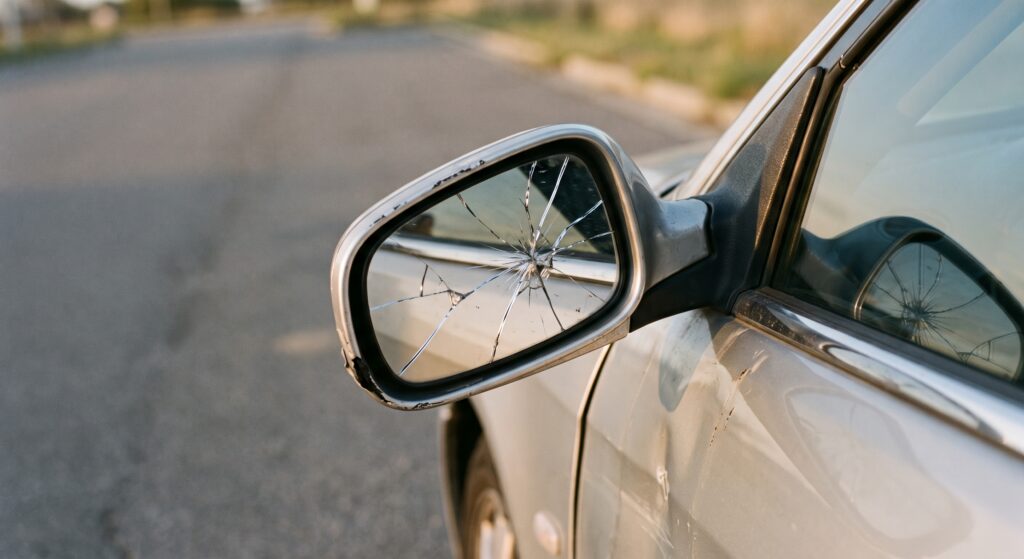
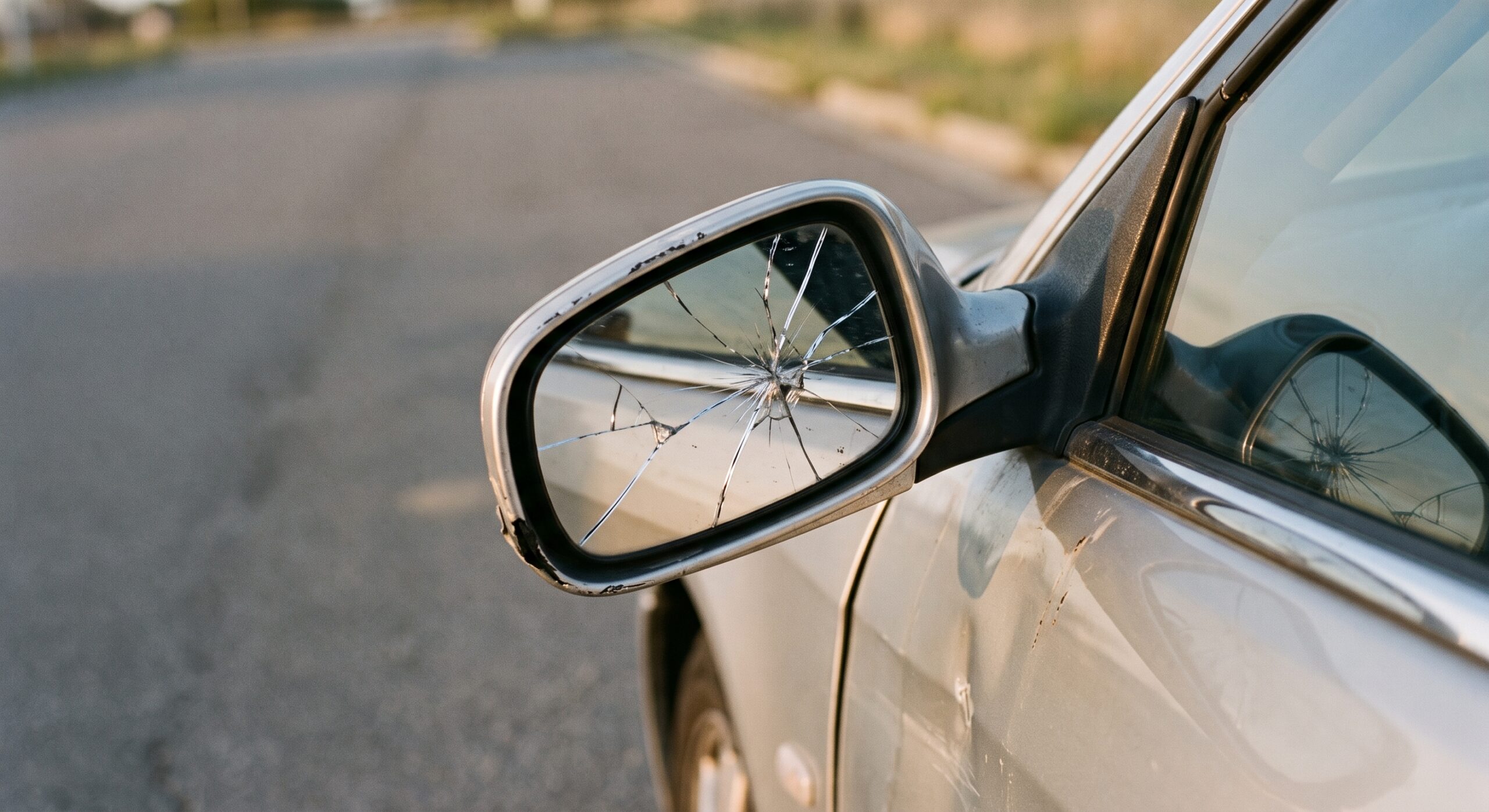
Cracked side mirror on a damaged silver car after an Illinois comparative negligence car accident
The Filing Clock
Illinois imposes a two-year statute of limitations for personal injury lawsuits and five years for property damage lawsuits, and these deadlines generally run from the accident date.
Common Insurance Tactics Used to Push Your Fault Percentage Over the Line
Every fault point an adjuster assigns directly reduces their payout. Adjusters use recorded statements as their primary tool for establishing comparative fault, and a simple, polite statement like being sorry for the confusion can be interpreted as an admission of guilt.
Tactics to Recognize
- Recorded statement requests before you’ve reviewed the police report
- Apology-as-admission: a reflexive “sorry” reframed later as fault
- Speed and reaction-time arguments assigning blame regardless of who caused the initial hazard
- Phone record subpoenas to argue distraction
- Pre-existing condition claims to detach injuries from the crash
Common moves also include quick low offers, recorded-statement traps, broad medical releases, and inflated comparative-fault percentages, each tactic aimed at reducing the final check.
What Evidence Helps Lower Your Assigned Share of Fault in a Chicago Claim
Photos, videos, and police reports can demonstrate the extent of each party’s negligence, while accident reconstruction experts can provide insight into who was actually responsible for the incident.
Evidence Priority List
- Chicago Police Department crash report citations, diagrams, officer notes
- Scene photos and video: dashcam, rideshare, nearby business surveillance
- Independent witness statements, gathered before accounts shift
- Vehicle black-box and damage data: speed, braking, impact angle
- Accident reconstruction analysis to counter an insurer’s fault theory
- Medical records linking injuries directly to the collision date
The Chicago-Specific Numbers Behind the Legal Fight
According to the Chicago Data Portal, Chicago crashes resulted in 124 total fatalities in one recent year, and while the total number of crashes has been overshadowed by a few other recent years, the total number of injuries, 25,692, is substantially higher than any other year in Chicago’s history.
- In Chicago in 2024, 867 crashes were caused by drivers who were using their cell phones or were distracted by something else within their vehicle
- In 2024, Chicago alone saw 530 crashes caused by drivers who were under the influence of drugs or alcohol
- Statewide, per IDOT crash data, Illinois has experienced more than 1,200 auto accident fatalities annually since 2020, and more than half occurred on U.S.-state routes or city streets each year
This volume of distraction- and impairment-related crashes means multi-factor fault disputes, not clean single-cause crashes, are the norm in Chicago claims, exactly the terrain where the 51% bar rule gets contested hardest.
Questions Chicago Drivers Ask Us Most
What happens if I am found 50% at fault in a Chicago car accident?
You can still recover compensation, but your award is reduced by that exact percentage. On a $100,000 claim, being 50% at fault means a $50,000 recovery; the last percentage point before the 51% bar cuts recovery to zero.
Can I still sue if I was partially at fault for the crash in Illinois?
Yes. Under 735 ILCS 5/2-1116, Illinois allows recovery as long as your share of fault does not exceed 50%. Once fault reaches 51% or more, the claim is barred entirely, regardless of injury severity.
How long do I have to file a car accident claim in Illinois?
Generally, two years from the date of the crash for personal injury claims, and five years for property damage claims. Missing this window typically bars the claim outright, so early evidence-gathering matters as much as the deadline itself.
Will the insurance company automatically know my fault percentage?
No, fault percentage is not assigned automatically. It is negotiated, contested, and ultimately determined by evidence: police reports, witness statements, video, and expert reconstruction. This is why adjusters work quickly to build a fault narrative before you’ve gathered your own evidence.
What should I avoid saying to an insurance adjuster after a Chicago crash?
Avoid recorded statements, apologies, or speculation about speed, distraction, or how the crash happened before speaking with an attorney. Adjusters routinely use these statements to justify assigning you a higher fault percentage.
Protecting Your Claim: Immediate Steps
- Get medical care and document every injury immediately.
- Do not give a recorded statement to any insurer before speaking with counsel.
- Photograph the scene, all vehicles, and visible injuries.
- Secure independent witness contact information on-site.
- Preserve phone, dashcam, and vehicle data before it’s overwritten.
- Track the two-year filing deadline; do not assume more time remains.
The Mike Slocumb Law Firm builds these fault disputes with police-report pulls, surveillance retrieval, and reconstruction analysis before an insurer’s version of events becomes the only version on file. Contact the Mike Slocumb Law Firm today for a free, confidential consultation about your Chicago car accident claim.