
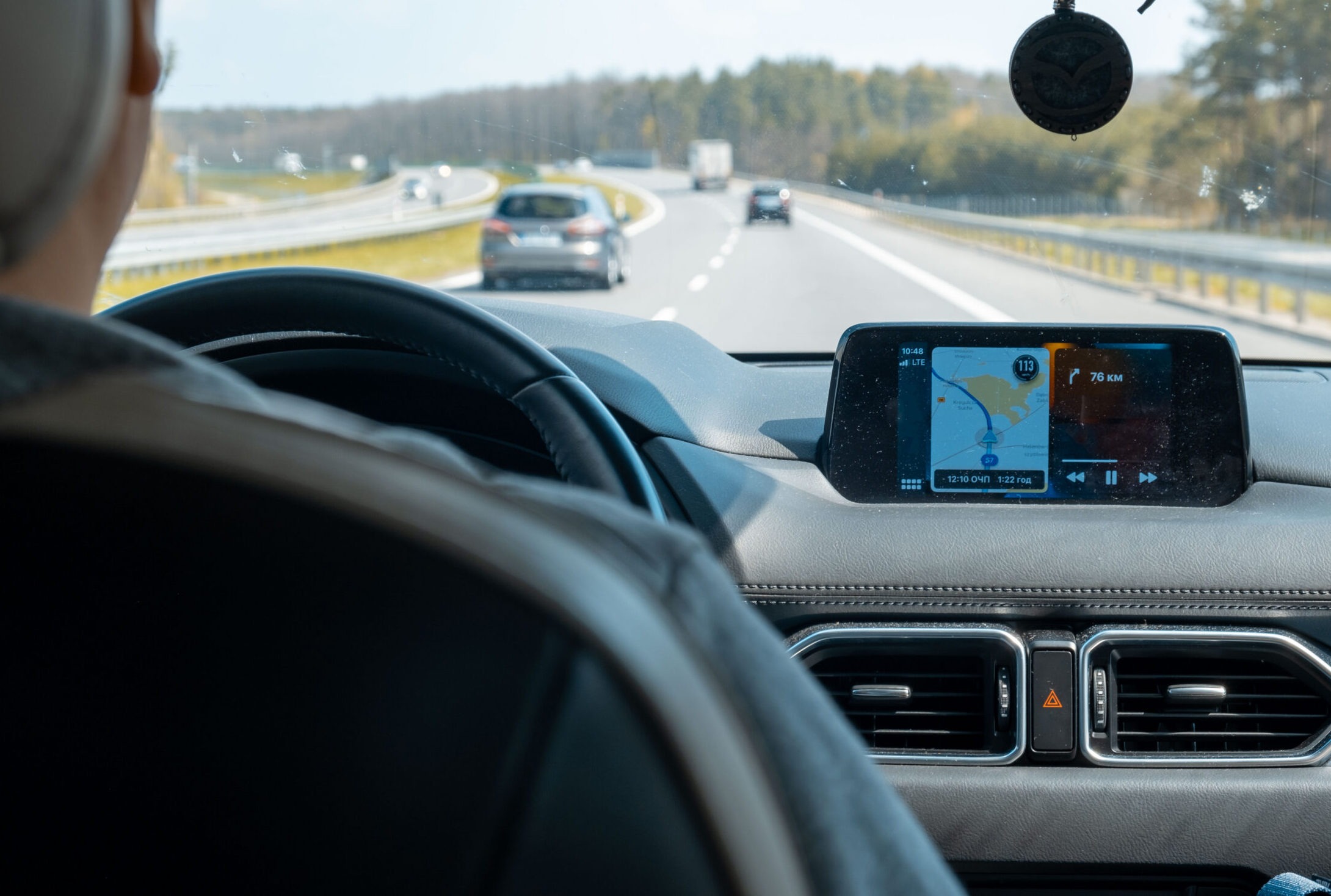
After an Uber or Lyft crash on I-35E (Stemmons Freeway) northwest of downtown or on the Dallas North Tollway, the first question is what the driver’s app showed at impact. That answer can change which policy responds and how much coverage is available. A personal auto policy may apply, or a rideshare policy with much higher limits may apply instead. Even the higher rideshare limit is shared among everyone with a claim from that crash. Because the stakes are high, insurers argue about app status first. A Dallas rideshare accident lawyer can request and review the trip data.
Key Takeaways
- App status decides the coverage. What the driver’s app showed at the moment of the crash determines which insurance applies and how much is available.
- Coverage rises in steps. It starts with a personal policy when the app is off, moves to a higher tier when the driver is logged on and waiting, and reaches the highest tier once the driver accepts a ride.
- A ride starts at acceptance. The highest tier can apply while the driver is still heading to a pickup, before any passenger gets in.
- No denial is needed first. The rideshare company’s coverage doesn’t wait for the driver’s personal insurer to deny the claim. The company must also step in if the driver’s own coverage lapsed or falls short.
- Trip data is the key evidence. The rideshare company controls most of it, Texas law requires it to share some of it during a claim, and Texas sets a strict deadline to file a lawsuit.
Texas’s minimum insurance requirements for TNC drivers under Chapter 2402
State law calls rideshare companies transportation network companies (TNCs). Texas regulates them through the Occupations Code, and the Texas Department of Licensing and Regulation’s summary of that law points readers to the Insurance Code for the insurance rules. The Texas Insurance Code’s rideshare insurance provisions set the minimum coverage for each app period. When an adjuster disputes what the policy should cover, those provisions are the reference point.
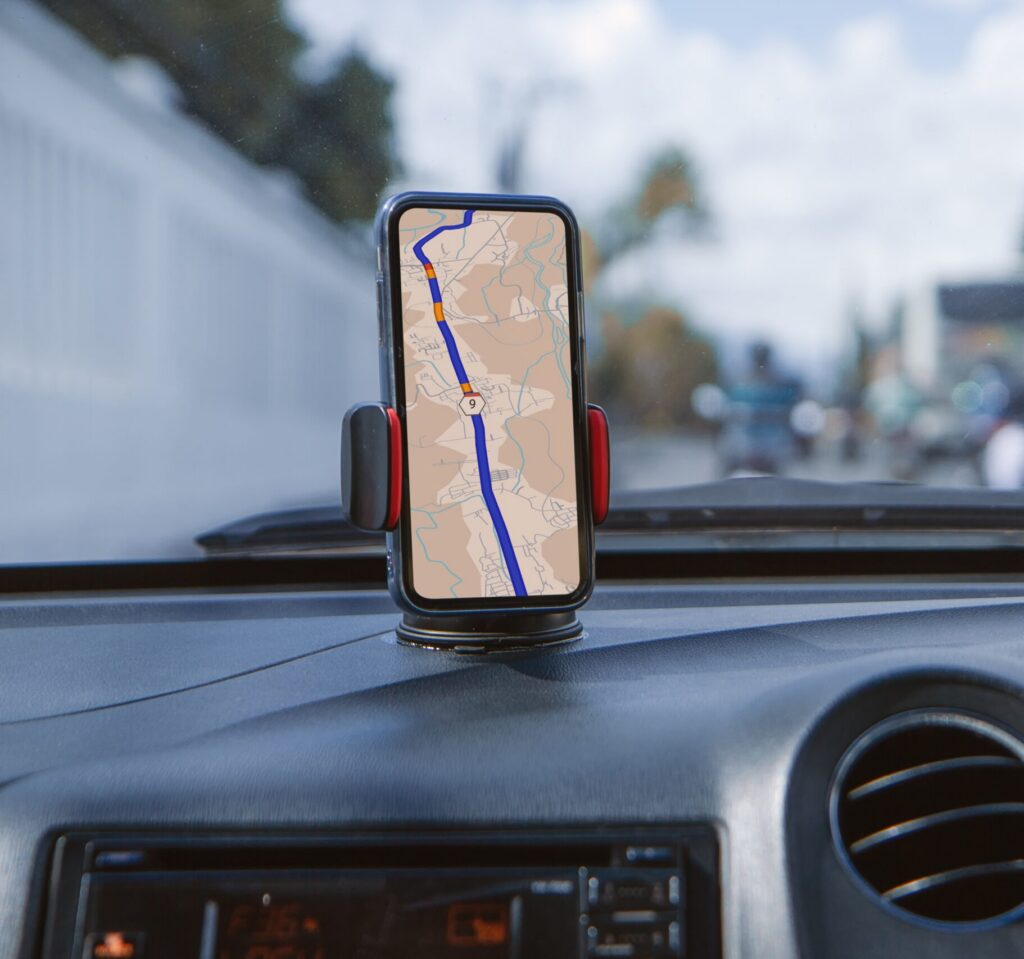
What a rideshare driver’s app showed at the moment of a crash can decide which insurance policy applies and how much coverage is available.
Minimums Rise With the Driver’s Activity
The required minimums rise in steps based on what the driver is doing. While the driver is logged on and waiting for a request, the minimums are moderately higher than a standard personal policy. Once the driver accepts a ride, a much larger combined limit applies.
Who Supplies the Coverage
The coverage can come from the driver’s own insurance, the rideshare company’s insurance, or a combination of both.
How coverage changes across the three periods of an app session
Each period of an app session carries its own coverage requirements. The sections below run from the lowest tier to the highest.
Period 0: App Off
The rideshare insurance requirements don’t apply. Only the driver’s personal auto policy is in play, and it must meet Texas’s standard minimum liability requirements for any driver.
Period 1: App On, No Ride Accepted
Texas requires higher minimum bodily injury coverage than a standard personal policy, and the same property damage minimum. This is still the lowest rideshare tier, and a serious injury claim can easily exceed it.
Periods 2–3: Ride Accepted Through Drop-Off
Required coverage rises to the highest tier, a much larger combined limit for death, bodily injury, and property damage. That limit is a ceiling on coverage, not a measure of what any claim is worth.
UM/UIM, PIP, and Lapsed Policies
While the app is on, the rideshare policy must also include uninsured/underinsured motorist (UM/UIM) and personal injury protection (PIP) coverage where Texas insurance law requires it. The person named on the policy can reject those coverages in writing. An injured passenger has no say in that choice, so the actual policy terms matter.
If the driver’s own policy has lapsed or falls short while the app is on, the rideshare company must provide the required coverage from the first dollar of the claim.
Does the Driver’s Insurer Have to Deny the Claim First?
No. Texas law says coverage under a policy maintained by the rideshare company doesn’t depend on the driver’s personal insurer denying the claim first.
Why Personal Policies Often Don’t Apply
Texas lets personal auto insurers exclude coverage while a driver is logged on to a rideshare app or on a ride. The Texas Department of Insurance notes that most personal policies don’t cover rideshare driving.
What a Denial Means for the Claim
A personal-policy denial doesn’t end the inquiry. If the driver was logged on, the coverage Texas requires must still be in place through one of these sources:
- the driver’s rideshare policy
- the rideshare company’s policy
- both together
If the driver’s coverage lapsed or fell short, the rideshare company must provide the required coverage from the first dollar of the claim.
How App Periods Play Out Around Dallas
The periods described above shift constantly as drivers move around the city. Here is how they can apply in familiar Dallas settings.
Airport Waiting Areas Near Love Field and DFW
A driver who is logged on and waiting for a request is in Period 1, the lowest rideshare coverage tier. That applies in airport waiting areas near Dallas Love Field, off Mockingbird Lane, and near DFW International Airport. A crash while circling for the next fare falls into that tier.
Downtown and Uptown Pickups
Pickups among downtown’s office towers and the AT&T Discovery District can send drivers through the Mixmaster, where I-30 meets I-35E. Uptown pickups can pull them onto Woodall Rodgers Freeway. Texas law treats a ride as beginning when the driver accepts a request. A driver heading to a pickup is therefore already in Period 2, even with no passenger in the car.
Event and Nightlife Requests
Games and concerts at the American Airlines Center, the State Fair of Texas at Fair Park each fall, and weekend crowds in Deep Ellum can bring bursts of ride requests. Drivers can move between periods within minutes, so the exact timestamp of a crash matters.
North Dallas Commute Corridors
LBJ Freeway (I-635) and US-75 (Central Expressway) meet at the High Five interchange in North Dallas, and the Dallas North Tollway runs north from downtown. Rideshare drivers share these roads with commuter traffic, so a crash may involve several vehicles and several insurers.
What happens when the rideshare company’s insurer disputes the claim
The rideshare company’s insurer may argue that the driver had already logged off, or hadn’t yet accepted a ride, when the crash happened. These disputes usually come down to timing evidence.
Evidence That Fixes the Timestamp
- Trip logs and GPS timestamps: records showing login, ride acceptance, and drop-off times.
- The trip receipt: after a completed ride, the rideshare company must send the passenger a receipt. The receipt records where the trip started and ended, how long it took, the distance, and the fare.
- The driver’s own statement: after a collision, the driver must say on request whether they were logged on to the app or on a ride. That duty applies to people directly involved, insurers, and investigating police officers.
- Independent phone and crash-reconstruction data: evidence that matters when the app record conflicts with the physical evidence.
What the Rideshare Company Must Disclose
During a claim investigation, Texas law requires the rideshare company and its insurer to share information with the people directly involved and with the driver’s insurer. That information includes:
- the driver’s login and logoff times in the hours before and after the accident
- a clear description of the policy’s coverage, exclusions, and limits
Other data, such as ride-acceptance timestamps and GPS records, may require a preservation letter or subpoena. The same steps apply to any Dallas car accident involving a rideshare driver.
Frequently Asked Questions
Does it matter whether I was the passenger, another driver, or a pedestrian?
Passengers, other drivers, and pedestrians can all bring personal injury claims in Dallas. Fault decides who pays.
- If the rideshare driver caused the crash, the driver’s app status decides how much rideshare coverage is available.
- If another motorist caused it, that motorist’s insurer is the starting point. If that motorist’s policy falls short, rideshare UM/UIM coverage may fill the gap.
Can I recover punitive damages?
Usually not. Texas calls these exemplary damages, and they are an exception to the normal rule, not a standard part of an injury claim. They are awarded only when a statute expressly authorizes them under the Texas Civil Practice and Remedies Code. That code limits them to narrow circumstances, requires a higher burden of proof than an ordinary injury claim, and caps the amount you can recover.
Most rideshare claims focus instead on compensatory damages, which cover real-world losses such as:
- out-of-pocket medical costs
- documented lost wages
- pain and suffering
What if the driver had no valid insurance?
The answer depends on whether the app was on at the time of the crash.
- App on: if the driver’s policy has lapsed or doesn’t meet the requirements, the rideshare company must provide the required coverage.
- App off: rideshare coverage requirements don’t apply. An injured person may need to look to their own uninsured motorist (UM/UIM) coverage, the same coverage that often matters after a hit-and-run crash.
How long do I have to file a lawsuit?
Texas sets a strict filing deadline for most personal injury, wrongful death, and property damage lawsuits, with limited exceptions. For wrongful death claims, the clock generally starts on the date of death rather than the date of the crash. Missing the deadline can bar a claim, so act promptly.
Hurt in a Dallas Uber or Lyft Crash?
Which period applies depends on data the rideshare company controls. Mike Slocumb Law Firm can review that data with you from its Dallas office at 1910 Pacific Ave., Suite 15700, Dallas, TX 75201. Call (888) 302-3669 for a free consultation.