
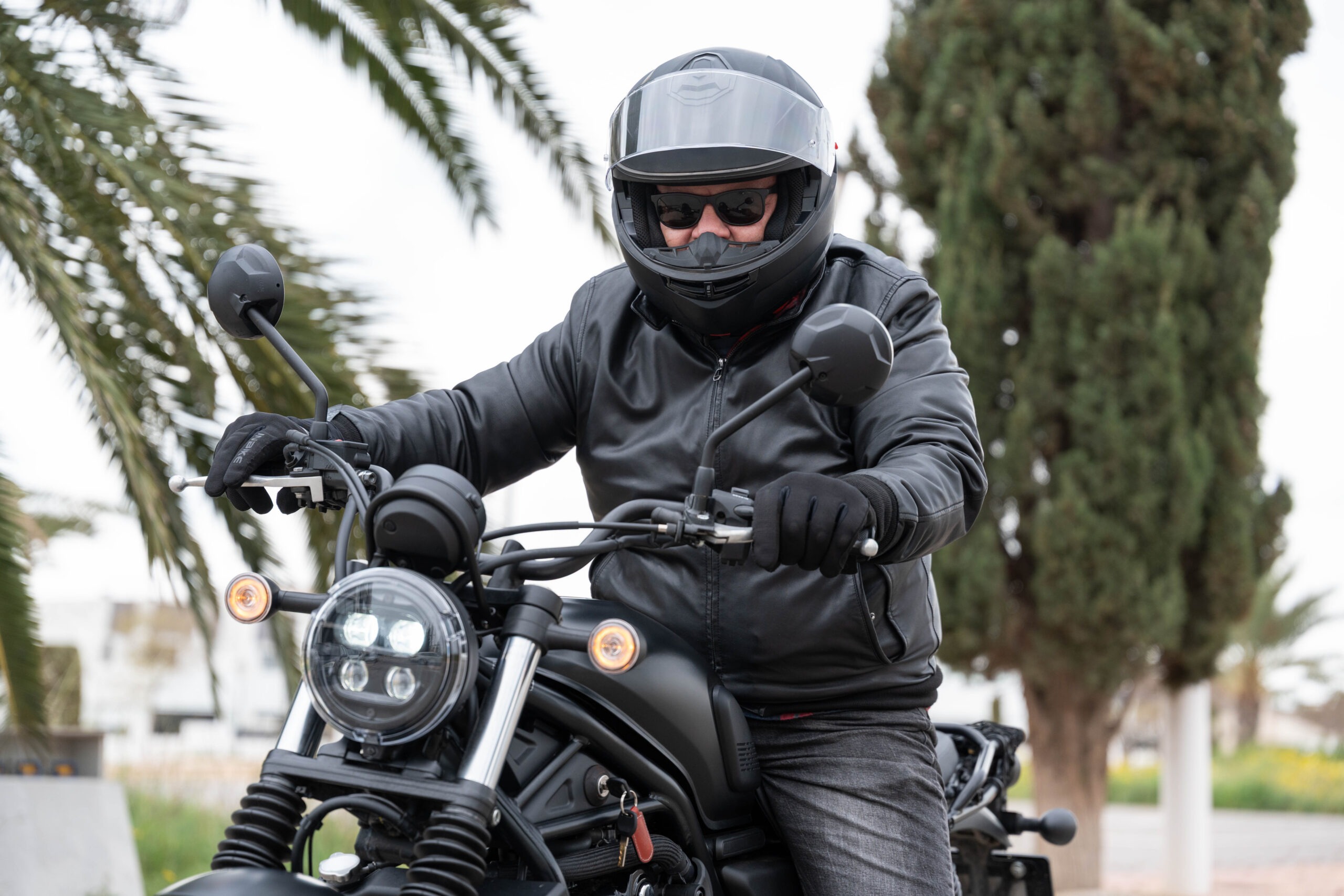
Breaking the Georgia motorcycle helmet law doesn’t end your injury case, but a police report marked “no helmet” changes how the case is built. The real question is whether the insurer can use it to push your share of fault past the point where Georgia law bars any recovery. That’s the fight a Georgia motorcycle accident attorney prepares for in every claim involving an unhelmeted rider.
Key Takeaways
- Every rider and passenger must wear a helmet. Georgia’s law has no exceptions for age or experience.
- Riding without a helmet doesn’t automatically end your claim. The insurer can argue it worsened your injuries, but it needs evidence.
- Your share of fault decides whether you recover. If your share is too high, you recover nothing. Below that point, your award is reduced by your share.
- Punitive damages are a narrow exception. They’re awarded only where a statute expressly authorizes them, and they turn on the other driver’s conduct, not your helmet.
- Filing deadlines are strict. Missing one can end your claim.
What does Georgia’s helmet law actually require?
Georgia’s helmet law requires every operator and passenger to wear a helmet that meets state safety standards, which adopt the federal motorcycle helmet standard. Novelty helmets, often called “beanies” or “shorties,” don’t qualify.
Riders also need an approved eye-protective device unless the motorcycle has a windshield.
Who gets a pass?
The exemptions are narrow:
- Riders in an enclosed cab
- Riders of motorized carts
- Operators of three-wheeled motorcycles used only for farming
Passengers of any age are covered.
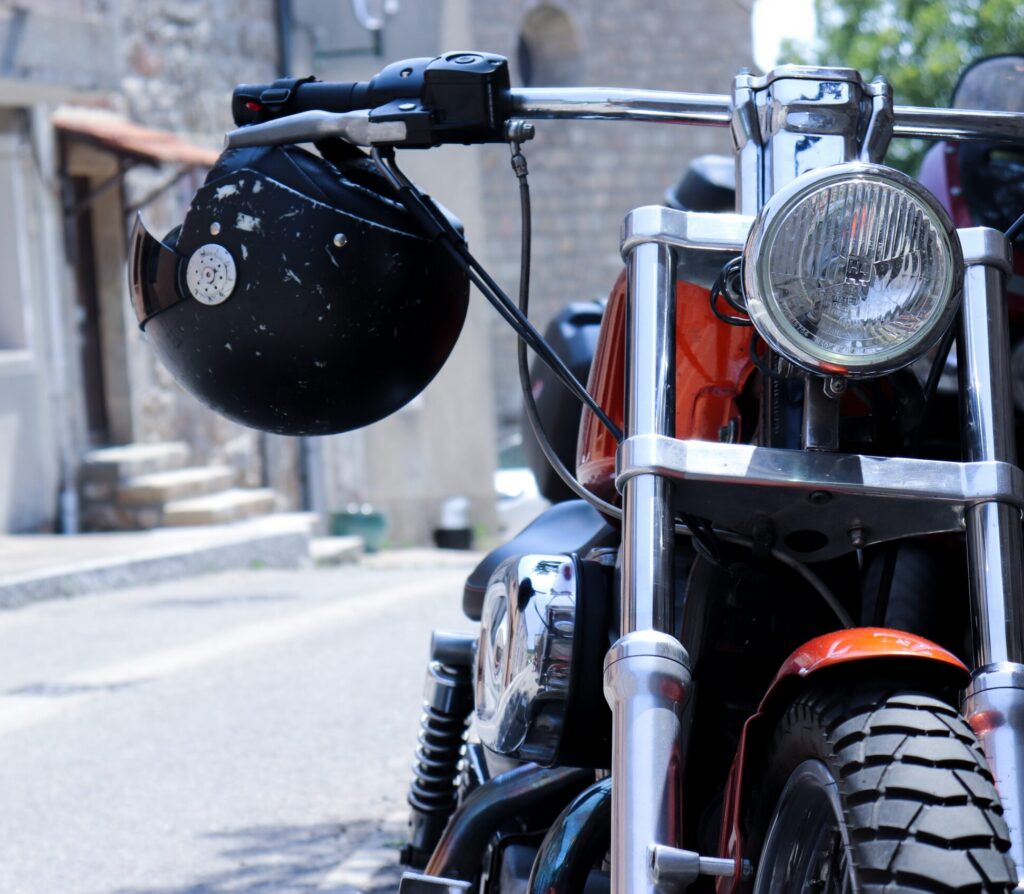
Not every helmet meets the federal standard. Check for a legitimate DOT label that lists the manufacturer and model.
Will skipping the helmet hurt my claim?
It can reduce what you recover, but it doesn’t erase your right to bring a claim. Riding without a helmet is a misdemeanor under Georgia’s traffic laws, and that’s a separate question from who caused the crash.
In most crashes, the missing helmet had nothing to do with why the collision happened. So the defense usually argues it worsened your injuries. Adjusters typically claim that:
- Your head, face, or eye injuries would have been less severe with a helmet
- Your judgment on other safety issues is questionable
- Your share of fault should rise high enough to cut off your recovery
Insurers and defense lawyers often try to use helmet evidence to reduce what you recover, but they still have to connect it to your injuries. In practice, defendants typically rely on medical or biomechanical experts to link a specific injury to the missing helmet. An injury a helmet couldn’t have prevented, such as a broken leg, shouldn’t count against you.
If an adjuster has already used your helmet status to lower an offer, call (888) 302-3669 before you respond.
What can I recover?
You can claim the measurable financial losses from the crash, including:
- Medical expenses, such as emergency care, surgery, rehabilitation, and projected future treatment
- Lost wages and lost future earning capacity
- The cost to repair or replace your motorcycle and riding gear
Out-of-pocket costs caused by your injuries count too, such as adaptive equipment, home modifications, and travel to medical appointments. Insurers often leave these out of a first offer. You can claim losses without a receipt, such as pain and suffering, separately.
Each category needs documentation: itemized medical bills and records, pay stubs or tax returns, repair estimates, and receipts. Our Georgia personal injury lawyers can help you gather it.
How does shared fault change the math?
Georgia follows a modified comparative fault rule. If your share of fault stays below the legal cutoff, you can recover damages, reduced by your share. If it reaches the cutoff, you recover nothing.
When helmet status comes up, four questions decide how much it matters:
- Was there a head, face, or eye injury? If not, helmet status has little bearing on the claim.
- Can the defense link the missing helmet to the injury? Defendants typically rely on expert testimony to make that connection.
- How much fault would a jury realistically assign to the helmet, compared with the other driver’s conduct?
- After that adjustment, does your total share of fault stay below the cutoff?
No attorney can guarantee an outcome, because juries decide each case on its facts. But a well-documented claim holds up far better against inflated fault arguments.
Could the other driver owe punitive damages?
Punitive damages are an exception, not a standard part of an injury claim. Georgia awards them only where a statute expressly authorizes them. For injury claims, that authority comes from the Georgia Code’s damages provisions, which limit these awards to cases involving aggravating misconduct. Ordinary carelessness isn’t enough. The law also sets a higher standard of proof than the rest of your claim, and it focuses on the other driver’s conduct.
Your decision not to wear a helmet doesn’t factor in. Statutory limits on the amount apply in most cases, with exceptions for certain conduct, such as impaired driving.
Questions riders ask us
Does the law cover passengers?
Yes, passengers of any age. The only exemptions are enclosed cabs, motorized carts, and three-wheeled motorcycles used only for farming.
Can an insurer deny my claim because I wasn’t wearing a helmet?
Not on that basis alone. Riding without a helmet can reduce your recovery, but it bars your claim only if your total share of fault reaches Georgia’s legal cutoff.
How do I know my helmet is legal?
It must meet the federal motorcycle helmet safety standard. Compliant helmets carry a DOT certification label, but some helmets carry counterfeit labels. Buy from a reputable seller, and check that the label lists the manufacturer and model.
Is riding without a helmet a crime?
Yes. Under Georgia’s traffic laws, it’s a misdemeanor that can carry a fine. This is separate from any injury claim.
How long do I have to file?
Georgia sets a strict deadline for injury lawsuits and a separate one for property damage. Missing either can bar your claim. Some circumstances can change the deadline, so talk to a lawyer early.
Talk to us before you sign anything
Helmet arguments deserve careful review. Our lawyers can review your evidence and explain where you stand under Georgia’s fault rules. Mike Slocumb Law Firm offers free consultations. Call (888) 302-3669.