
During one winter ice event east of Boise, emergency crews responded to several crashes and slide-offs on both sides of I-84. One crash involved a tanker truck that flipped onto its side. Ada County Dispatch reported at least one injury crash. Drivers told KTVB there was dangerous black ice around the Boise Stage Stop (Exit 71) and blowing snow that cut visibility.
Nationally, more than 1,300 people are killed, and more than 116,800 are injured each year in crashes on snowy, slushy, or icy pavement, according to the Federal Highway Administration. Ice doesn’t excuse a driver, though. After a Boise winter car accident, Idaho law asks whether each driver adjusted to the conditions, and the answer helps decide who pays.
Key Takeaways
- Weather doesn’t cancel liability. Idaho requires drivers to match their speed to actual road conditions, not just the posted limit.
- Partial fault doesn’t automatically end a claim. Idaho’s comparative negligence rule reduces your recovery but doesn’t always eliminate it.
- The clock starts at the crash. Idaho’s two-year injury deadline runs from the accident date, even if injuries show up later.
- Evidence disappears fast. Ice melts, and tire marks fade.
What Happens After the Tow Truck Leaves?
Keep records of missed work, rental car costs, and medical visits as they happen. An insurer may argue that you share the blame for an icy-road crash. Speed, following distance, and road maintenance all deserve a close look before anyone accepts that conclusion. A Boise winter car accident lawyer can review each factor.
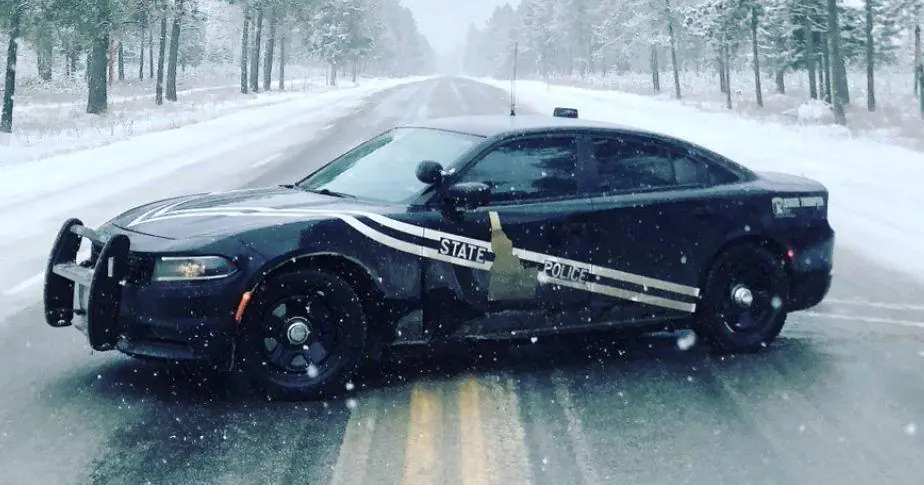
Idaho troopers respond to crashes and slide-offs every winter. In icy conditions, Idaho law still expects drivers to slow down for the traffic ahead. (Photo Credit: Idaho State Journal)
Where Does I-84 Get Dangerous East of Boise?
- Black ice near the Boise Stage Stop (Exit 71). Drivers have reported dangerous black ice here during past winter events. KTVB has identified the stretch beginning at the East Boise Port of Entry (milepost 66) as the iciest section of I-84. An ISP trooper said this section can be counted on to be slick in winter.
- Speeds that don’t match the road. The posted limit here is 80 mph. During the Stage Stop crashes, drivers were urged to slow down. On a separate icy morning, an ISP trooper said drivers were going too fast for conditions because they assumed 80 mph would be fine.
- Blowing snow. Drivers reported reduced visibility from blowing snow during the Stage Stop crashes.
Does Bad Weather Let a Driver Off the Hook?
You Have to Drive for the Road in Front of You
Idaho Code § 49-654 prohibits driving faster than is reasonable and prudent for the conditions and hazards present.
How Idaho’s 50% Rule and Filing Deadlines Work
Idaho Code § 6-801 sets a modified comparative negligence rule. If you are less than 50% at fault, you can still recover damages, reduced by your share of the fault. If you’re 50% or more at fault, you can’t recover. That’s why fault percentages matter so much after a multi-car winter crash.
Idaho Code § 5-219 gives you two years to file a personal injury claim. Idaho Code § 5-218 gives you three years to file a claim for vehicle and other property damage. Both deadlines run from the crash date, not from when your insurance claim is resolved.
Claims against the state, such as a road-maintenance claim against ITD, generally require a notice of tort claim filed with the Idaho Secretary of State within 180 days (Idaho Code § 6-905). Claims against a county or city have their own notice rules.
Who Else Might Have a Claim?
An injured passenger has their own personal injury claim. A vehicle owner who wasn’t driving may have a property damage claim.
What Should You Document at the Scene?
Document the scene as soon as it’s safe:
- Photos of the road surface from several angles, showing visible sheen, packed ruts, or missing sand or deicer
- The exact time, milepost, and direction of travel
- Idaho 511 road-condition alerts for that corridor at the time of the crash, plus the official crash report
- Contact information for other drivers caught in the same event
- Dashcam footage and vehicle data, saved as soon as possible
Common Questions From Boise-Area Drivers
How much time do I have to file after a winter car accident? Generally, you have two years to file a personal injury claim and three years for property damage. Claims against the state require a notice of tort claim within 180 days, and claims against other government entities follow their own rules. Specific circumstances can change these dates, so confirm yours with an attorney.
What if the insurance company says I was partly to blame? Partial fault doesn’t end your claim, but it reduces what you recover. Being found 50% or more at fault bars recovery.
Can anyone besides the driver seek compensation? Yes, in some situations. Injured passengers and vehicle owners may each have a claim worth reviewing.
Talk Through What Happened Before the Details Fade
Every winter crash turns on its own facts. Meet our team before you talk to an insurer.
Your Checklist If This Just Happened
- Get checked out medically, even if everything feels minor.
- Photograph the road and scene before conditions change.
- Hold off on recorded statements to the other driver’s insurer.
- Save dashcam footage and vehicle data.
- Note your filing deadlines, especially if a state agency may be involved.
No outcome is guaranteed before a case is reviewed. Call us at (208) 258-9445.